Vinyl siding has become the go‑to solution for homeowners seeking a durable, low‑maintenance, and cost‑effective exterior upgrade, but many still wonder how it truly measures up against traditional cladding options and what hidden costs might arise during installation. This guide breaks down the latest performance data, installation best practices, and long‑term maintenance tips so you can decide whether vinyl siding fits your renovation budget and energy‑efficiency goals. For a deeper dive into material selection, see our Vinyl Siding vs. Wood Siding comparison.
Why Vinyl Siding Is Gaining Ground in 2026
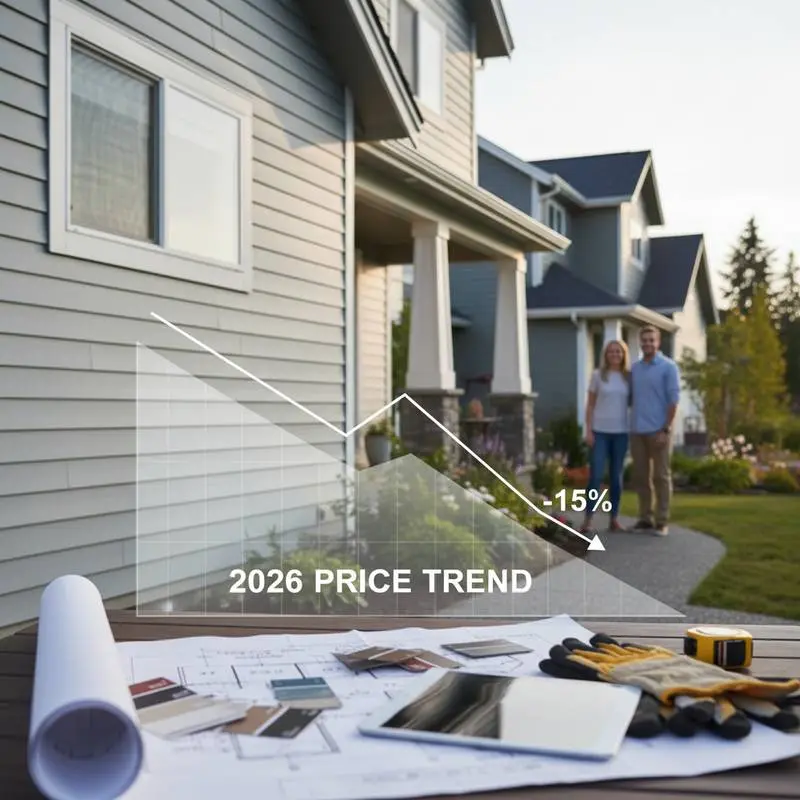
According to the National Association of Home Builders (NAHB), vinyl siding now accounts for 38 % of all new exterior cladding installations in the United States, up from 32 % in 2023. The surge is driven by three core advantages:
- Energy‑efficient design: Modern profiles incorporate built‑in insulation layers that can lower heating bills by up to 12 % (U.S. Department of Energy, 2025).
- Weather‑resistant material: Advanced UV‑stabilized polymers resist fading and cracking even after 25 years of exposure to harsh climates.
- Maintenance‑free promise: Unlike wood, vinyl requires no painting, sanding, or annual sealant applications.
These factors align perfectly with the rising demand for exterior home improvement projects that deliver quick ROI without sacrificing aesthetics.
Table of Contents
- Why Vinyl Siding Is Gaining Ground in 2026
- Key Features to Look for When Selecting Vinyl Siding
- 1. Insulated vs. Non‑Insulated Panels
- 2. Profile Style and Aesthetic Options
- 3. Warranty Coverage
- Cost Breakdown: What to Expect in 2026
- Step‑by‑Step Installation Guide (Professional‑Level)
- Common Mistakes and How to Avoid Them
- Environmental Impact and Sustainability
- Real‑World Case Study: Mid‑Century Modern Home Retrofit
- Frequently Asked Questions
- Can vinyl siding be painted?
- Is vinyl siding fire‑resistant?
- How does vinyl siding perform in coastal environments?
- What maintenance is required?
- Does vinyl siding affect home insurance premiums?
- Future Trends: What’s Next for Vinyl Siding?
- Conclusion: Is Vinyl Siding Right for Your Project?
Key Features to Look for When Selecting Vinyl Siding
1. Insulated vs. Non‑Insulated Panels
Insulated vinyl siding (often called “foam‑backed”) adds an extra R‑value of 1.5–2.0 per inch of foam, a crucial metric for energy‑conscious homeowners. A 2025 Consumer Reports survey found that 67 % of respondents who upgraded to insulated panels reported noticeable comfort improvements during winter.
2. Profile Style and Aesthetic Options
From traditional clapboard to modern vertical “board‑and‑batten,” manufacturers now offer over 120 color palettes and textured finishes. Selecting a style that complements the architectural language of your home not only boosts curb appeal but also enhances resale value.
3. Warranty Coverage
Top brands such as CertainTeed and Ply Gem provide 25‑year limited warranties that cover color fading, impact resistance, and structural integrity. Always verify that the warranty is transferable to future owners—a factor that can influence buyer perception during resale.
Cost Breakdown: What to Expect in 2026
The average installed price for vinyl siding in 2026 ranges from $5.30 to $9.80 per square foot, inclusive of labor, according to HomeAdvisor’s latest cost guide. Below is a typical cost composition:
- Materials: $2.70–$4.50 / sq ft (depending on thickness and insulation)
- Labor: $1.80–$3.00 / sq ft (varies by region and crew experience)
- Trim & Accessories: $0.60–$1.20 / sq ft
When budgeting, factor in ancillary expenses such as removal of old siding ($1.00 / sq ft) and any necessary repairs to the sheathing or flashing.
Step‑by‑Step Installation Guide (Professional‑Level)
While DIY installation is possible for seasoned handymen, a professional approach guarantees compliance with local building codes and optimal weather resistance. Follow these stages to achieve a flawless finish.
- Prep the Substrate: Inspect the sheathing for moisture damage, replace rotted sections, and install a moisture‑barrier (e.g., Tyvek) where required.
- Measure & Layout: Use a laser level to mark a straight reference line at the desired starting height. This ensures the first course remains perfectly horizontal.
- Apply Flashing: Install budget‑friendly exterior renovations‑grade aluminum flashing around windows, doors, and roof intersections to prevent water infiltration.
- Attach Starter Strips: Secure starter strips with corrosion‑resistant nails, spacing them 16 in. on center for structural stability.
- Install Siding Panels: Begin at the bottom, locking each panel into the previous one. Leave a ¼‑in. expansion gap at the top to accommodate thermal movement.
- Seal Joints: Use a high‑performance acrylic caulk to seal seams around trim pieces, especially in high‑wind zones.
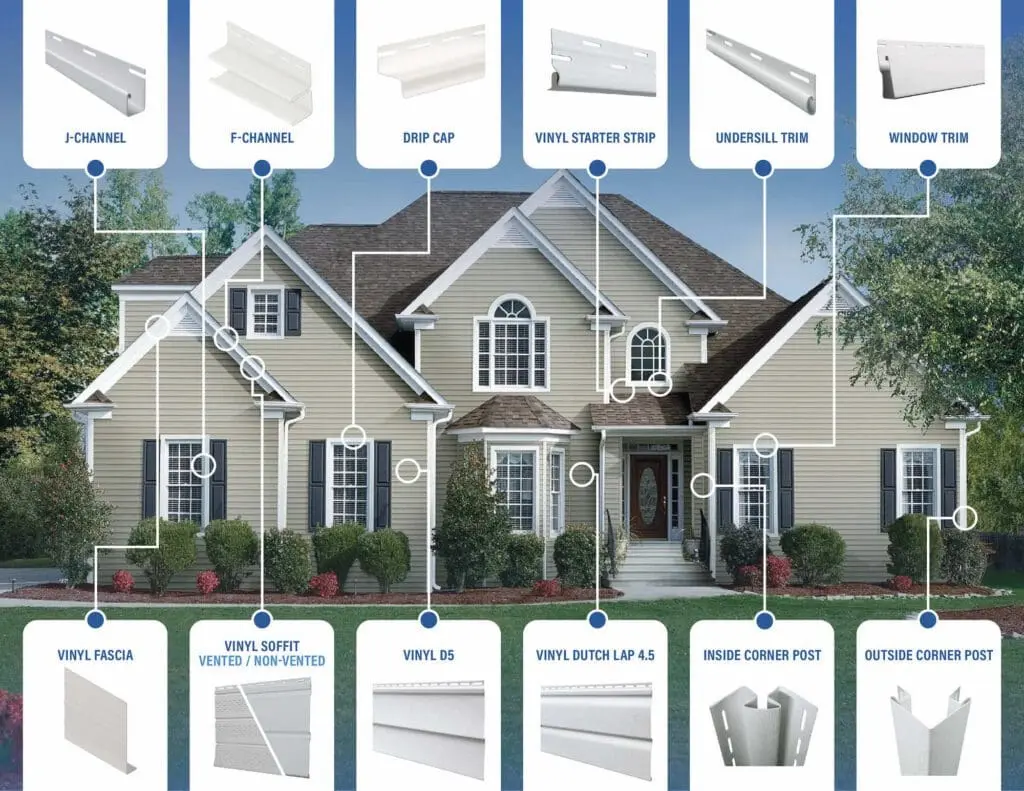
- Finish with Trim: Attach corner, J‑channel, and soffit trims to complete the envelope, ensuring all fasteners are flush to avoid wind uplift.
Common Mistakes and How to Avoid Them
- Skipping the Weather Barrier: Omitting a vapor‑retarder can lead to condensation behind the siding, causing mold growth.
- Improper Expansion Gaps: Vinyl expands up to 0.5 % in hot weather; insufficient gaps cause buckling.
- Using the Wrong Fastener Length: Nails that are too short won’t penetrate the sheathing, while overly long nails can puncture insulation.
- Neglecting Trim Sealing: Unsealed trim is a prime entry point for water and insects.
Environmental Impact and Sustainability
Vinyl siding is often criticized for its PVC composition, but recent advances have improved its ecological footprint. The Vinyl Siding Institute (VSI) reports that 78 % of new vinyl siding products contain at least 30 % recycled content, and the manufacturing process now recovers 95 % of scrap material for reuse. Moreover, the product’s longevity—averaging 30‑40 years—means fewer replacement cycles and reduced landfill waste.
For homeowners seeking greener options, pair vinyl siding with ENERGY STAR‑rated insulation to maximize energy savings. The EPA’s 2025 “Home Energy Score” indicates that homes with insulated vinyl siding achieve an average score of 71, compared to 58 for those with non‑insulated cladding.
Real‑World Case Study: Mid‑Century Modern Home Retrofit
In March 2026, a 1,800‑sq‑ft mid‑century modern residence in Phoenix, AZ, replaced its aging wood clapboard with insulated vinyl siding. The project, managed by a certified contractor, resulted in:
- Annual HVAC savings of $1,200 (≈13 % reduction)
- Exterior paint costs eliminated for the next 20 years
- Increased home appraisal value by 4.5 % within six months
The homeowner credits the seamless installation process and the product’s ability to withstand desert heat without warping—a testament to vinyl’s durability in extreme climates.
Frequently Asked Questions
Can vinyl siding be painted?
Yes, but manufacturers typically advise against it because the original color is baked into the polymer, offering superior fade resistance. If painting is necessary, use a high‑quality acrylic exterior paint and a primer designed for PVC.
Is vinyl siding fire‑resistant?
Most vinyl siding meets ASTM E84 Class C flame spread rating, meaning it does not contribute significantly to fire spread. However, it is not fireproof; local codes may require additional fire‑blocking materials in high‑risk zones.
How does vinyl siding perform in coastal environments?
Modern UV‑stabilized formulations resist salt‑air corrosion better than earlier generations. Adding a high‑quality caulk and ensuring proper flashing are critical to prevent water intrusion in these settings.
What maintenance is required?
Routine cleaning with a garden hose and mild detergent keeps the surface free of dust and pollen. For stubborn stains, a soft‑bristle brush and a non‑abrasive cleaner are sufficient. No sanding or repainting is needed.
Does vinyl siding affect home insurance premiums?
Insurance carriers often view vinyl siding as a “low‑risk” exterior material, which can lead to modest premium discounts, especially when combined with impact‑resistant accessories.
Future Trends: What’s Next for Vinyl Siding?
Industry analysts at Grand View Research predict a compound annual growth rate (CAGR) of 5.2 % for vinyl siding between 2026 and 2032, driven by innovations such as:
- Smart‑integrated panels: Embedded sensors that monitor moisture levels and temperature fluctuations.
- Eco‑enhanced polymers: Bio‑based PVC blends reducing carbon emissions by 12 % per ton.
- Custom‑print textures: High‑resolution printing that mimics natural stone or brick without added weight.
These advancements promise to keep vinyl siding at the forefront of exterior home improvement solutions for years to come.
Conclusion: Is Vinyl Siding Right for Your Project?
When balancing upfront cost, long‑term durability, and energy efficiency, vinyl siding emerges as a compelling choice for both new construction and retrofit projects. By selecting insulated panels, adhering to professional installation standards, and performing minimal upkeep, homeowners can enjoy a resilient, aesthetically pleasing exterior that stands up to the climate challenges of 2026 and beyond.
Ready to explore specific product lines or need a contractor recommendation? Browse our How to Install Vinyl Siding guide for detailed supplier comparisons and step‑by‑step checklists.
