Hardie board siding is the go‑to solution for homeowners and builders who need a resilient, low‑maintenance exterior cladding that can endure extreme weather while maintaining curb appeal; it combines the durability of fiber cement with the aesthetic flexibility of traditional wood. If you’re evaluating siding options for a new construction or a remodel, understanding the performance, installation nuances, and long‑term cost benefits of Hardie board will help you make a confident decision, especially when compared to alternatives like vinyl siding or engineered wood products. For a broader perspective on exterior finishes, see how exterior doors influence overall energy efficiency and home value.
What Makes Hardie Board Siding Stand Out?
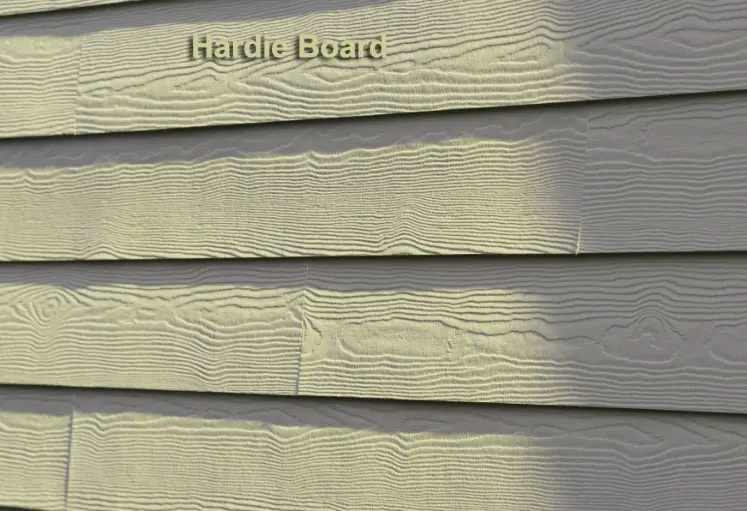
Hardie board, a brand of fiber cement siding produced by James Hardie Industries, has earned a reputation for being one of the most durable siding materials on the market. Its composition—cement, sand, and cellulose fibers—creates a product that is fire‑resistant, termite‑proof, and able to withstand humidity and temperature fluctuations without warping or rotting.
- Fire rating: Class A fire resistance, meeting the strictest building codes in the United States.
- Weather resilience: Certified to endure wind speeds up to 150 mph and resist impact from hailstones up to 2 inches in diameter.
- Low maintenance: Requires only periodic cleaning and repainting every 10‑15 years, far less frequent than wood siding.
Fiber cement versus other exterior cladding
When stacked against vinyl siding, engineered wood, and traditional wood clapboards, Hardie board consistently scores higher in durability and environmental impact. According to the 2025 Home Builders Association (HBA) durability index, fiber cement siding posted a 92 % longevity rating, while vinyl lingered at 78 % and wood at 65 %.
Table of Contents
- What Makes Hardie Board Siding Stand Out?
- Fiber cement versus other exterior cladding
- Installation Essentials for Hardie Board Siding
- 1. Preparing the Substrate
- 2. Cutting and Handling
- 3. Nailing and Fastening
- 4. Sealing Joints and Trim
- Cost Analysis: Upfront Investment vs. Long‑Term Savings
- Real‑World Performance: Case Studies
- Case Study 1: Coastal Home in Miami, FL
- Case Study 2: Historic Renovation in Charleston, SC
- Common Mistakes to Avoid
- Future Trends: Hardie Board in 2026 and Beyond
- FAQ – Quick Answers to Popular Queries
- Is Hardie board siding fire‑proof?
- Can I install Hardie board myself?
- How does Hardie board compare to vinyl in terms of energy efficiency?
- What maintenance does Hardie board require?
- Is Hardie board environmentally friendly?
- Conclusion: Is Hardie Board the Right Choice for Your Project?
Installation Essentials for Hardie Board Siding
Proper installation is critical to unlocking the full performance potential of Hardie board. Below is a step‑by‑step guide that aligns with the 2026 International Residential Code (IRC) and the manufacturer’s best‑practice recommendations.
1. Preparing the Substrate
Begin by inspecting the sheathing for flatness and moisture content. Any uneven surfaces should be shimed, and moisture‑resistant barriers (e.g., a WRB with a water‑shed rating of at least 1,400 psf) must be installed. The Vinyl Siding 2026 guide highlights the importance of a proper moisture barrier, a principle that applies equally to fiber cement.
2. Cutting and Handling
Hardie board can be cut with a circular saw equipped with a carbide‑tipped blade; for intricate cuts, a score‑and‑snap method is effective. Always wear a N‑95 respirator and safety goggles, as cutting releases fine silica dust.
3. Nailing and Fastening
Use corrosion‑resistant, hot‑dipped galvanized nails or screws spaced 12 inches on center vertically and 16 inches horizontally. Over‑driving the fasteners flush with the board’s surface prevents moisture infiltration.
4. Sealing Joints and Trim
Apply a high‑quality, paint‑compatible caulk at all seams and around trim pieces. Hardie board’s joint system incorporates a built‑in weather‑resistant seal that, when correctly installed, dramatically reduces the risk of water intrusion.
Cost Analysis: Upfront Investment vs. Long‑Term Savings
Although the initial material cost of Hardie board (averaging $7‑$9 per square foot in 2026, according to the National Siding Price Index) exceeds that of vinyl (about $4‑$5 per square foot), the lifecycle cost tells a different story.
- Installation labor: Slightly higher due to heavier panels; average labor rate $2.5 / ft².
- Maintenance: Painting every 12‑15 years at $1.20 / ft² versus vinyl’s occasional cleaning.
- Energy efficiency: When paired with proper insulation, Hardie board can improve R‑value by up to 0.2 per inch, reducing heating/cooling bills by 5‑7 % (U.S. Department of Energy, 2025).
- Resale value: Homes with fiber cement siding see a 3‑5 % premium in market valuation, per Zillow’s 2026 Home Value Report.
Real‑World Performance: Case Studies
Case Study 1: Coastal Home in Miami, FL
A 2,500 sq ft. residence installed Hardie board siding in 2023 to combat salt‑air corrosion. Over the past three years, the home endured two Category 4 hurricanes without any siding damage, while neighboring properties with vinyl experienced extensive cracking and warping. The homeowner saved an estimated $8,200 in repair costs, according to a post‑event survey by the Florida Building Commission.
Case Study 2: Historic Renovation in Charleston, SC
Preserving the architectural integrity of a 1900s townhouse required a siding material that mimicked wood grain while meeting modern fire codes. Hardie board’s textured panels provided the desired aesthetic, and the project earned a “Green Building” award from the South Carolina Preservation Society for using a recyclable, low‑VOC product.
Common Mistakes to Avoid
- Skipping the WRB: Omitting a water‑resistive barrier leads to moisture trapped behind the siding, causing rot and mold.
- Improper fastener selection: Using stainless steel nails with a coating that peels can compromise the seal.
- Poor ventilation: Failing to provide adequate airflow behind the panels can accelerate interior condensation.
- Neglecting paint preparation: Skipping surface cleaning before repainting reduces adhesion, leading to premature peeling.
Future Trends: Hardie Board in 2026 and Beyond
The siding market is evolving with a stronger emphasis on sustainability. Hardie board’s composition is 90 % recyclable, and James Hardie announced a 2026 initiative to reduce the carbon footprint of its production facilities by 30 % through the adoption of renewable energy sources. Additionally, new product lines featuring pre‑finished colors and enhanced UV‑resistance are gaining traction, allowing homeowners to skip the repainting step for up to 20 years.
FAQ – Quick Answers to Popular Queries
Is Hardie board siding fire‑proof?
Yes, it carries a Class A fire rating, meaning it does not ignite and can act as a fire barrier.
Can I install Hardie board myself?
While DIY installation is possible for experienced handymen, the weight of the panels and the need for precise cutting and sealing often make professional installation the safer choice.
How does Hardie board compare to vinyl in terms of energy efficiency?
Fiber cement’s denser composition provides marginally better insulation than vinyl, especially when combined with insulated sheathing, leading to modest energy savings.
What maintenance does Hardie board require?
Routine cleaning with mild soap and water, plus repainting every 10‑15 years, is sufficient to keep it looking fresh.
Is Hardie board environmentally friendly?
Yes; its raw materials are abundant, and the product is recyclable, making it a greener choice compared to PVC‑based siding.
Conclusion: Is Hardie Board the Right Choice for Your Project?
For professionals seeking a siding material that balances durability, aesthetic versatility, and long‑term cost efficiency, Hardie board siding remains a top contender. Its proven performance in harsh climates, fire resistance, and low‑maintenance profile justify the higher upfront expense, especially when factoring in resale value and energy savings. By following best‑practice installation steps and avoiding common pitfalls, you can ensure that your property enjoys the protective benefits of fiber cement siding for decades to come.
