When homeowners search for “exterior doors,” they’re looking for the single element that can instantly boost curb appeal, improve energy efficiency, and protect the interior from the elements—all without a full remodel. Selecting the right door involves balancing aesthetics, performance, and budget, and the decision is often guided by the latest material innovations and local climate demands. Below, we break down everything a professional‑level homeowner needs to know to choose, install, and maintain exterior doors in 2026.
Why Exterior Doors Matter More Than You Think
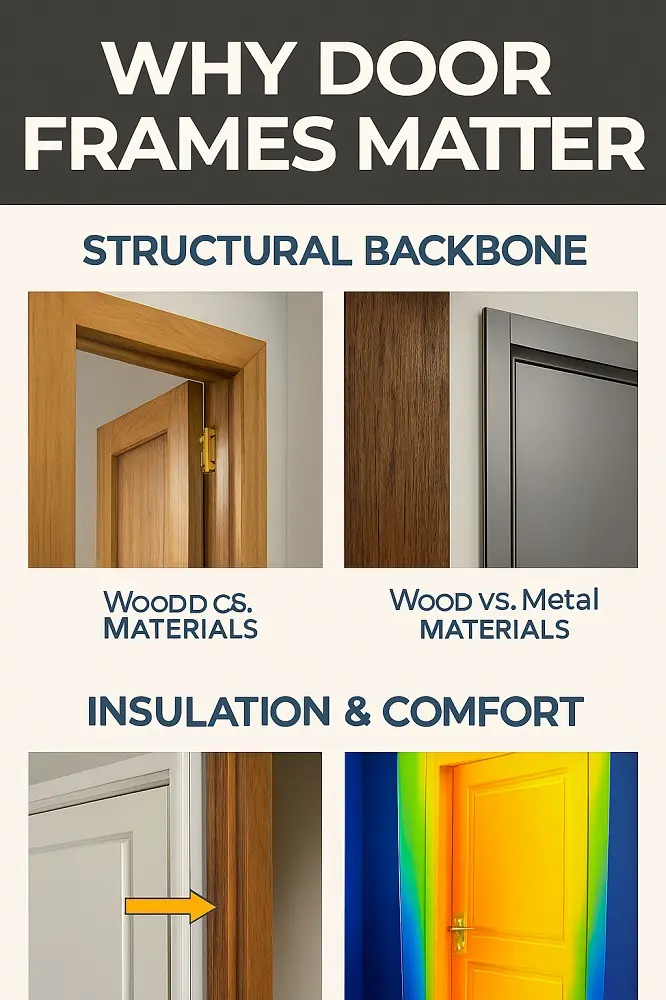
Exterior doors serve as the first line of defense against weather, intruders, and noise. According to the U.S. Department of Energy’s 2025 Residential Energy Consumption Survey, doors account for up to 12 % of a home’s total heat loss, second only to windows. A well‑chosen door can slash heating bills by 5‑10 % while adding a polished entry that raises property value by 3‑5 % according to the National Association of Realtors 2026 market report.
Material Showdown: Which Door Is Right for Your Home?
Modern manufacturers offer a range of options, each with distinct performance metrics, cost profiles, and design flexibility.
Table of Contents
- Why Exterior Doors Matter More Than You Think
- Material Showdown: Which Door Is Right for Your Home?
- 1. Fiberglass Doors
- 2. Steel Doors
- 3. Wood Doors
- 4. Vinyl Doors
- Key Performance Metrics to Evaluate
- Choosing the Right Door for Your Climate
- Step‑by‑Step Installation Checklist
- Common Mistakes and How to Avoid Them
- Maintenance Tips for Longevity
- Routine Inspection
- Seasonal Care
- Smart‑Door Integration: The Future Is Now
- Cost Breakdown: From Budget to Premium
- Case Study: A Mid‑Century Home Retrofit in Portland, Oregon
- Frequently Asked Questions
- What is the best exterior door for hurricane‑prone areas?
- Can I install an exterior door myself, or should I hire a professional?
- How does door hardware affect energy efficiency?
- Do I need a separate door threshold?
- What warranty should I expect?
- Wrapping Up: Making an Informed Decision
- Further Reading
1. Fiberglass Doors
- Energy performance: R‑value 5–7, excellent thermal break.
- Durability: Resistant to warping, rot, and UV degradation.
- Design: Mimics wood grain with low maintenance.
- Cost: $1,200‑$2,500 installed (mid‑range).
2. Steel Doors
- Security: Highest impact resistance among standard options.
- Insulation: Core filled with polyurethane; R‑value 4–5.
- Finish: Available in a wide palette; prone to denting.
- Cost: $800‑$1,800 installed (budget‑friendly).
3. Wood Doors
- Aesthetic appeal: Classic, customizable profiles.
- Thermal performance: Dependent on wood species; typically R‑value 2–4.
- Maintenance: Requires periodic sealing or painting.
- Cost: $1,500‑$4,000 installed (premium).
4. Vinyl Doors
Vinyl doors have surged in popularity thanks to their low cost and low maintenance. The Vinyl Siding 2026: Complete Guide to Installation, Costs, and Long‑Term Benefits notes that modern vinyl doors now incorporate reinforced frames and insulated cores, delivering R‑values comparable to fiberglass while staying under $1,000 installed.
Key Performance Metrics to Evaluate
When comparing doors, focus on these quantifiable factors:
- U‑factor: Measures heat transfer; the lower, the better. Aim for ≤ 0.30 BTU/(hr·ft²·°F).
- Air leakage: Certified by the American Architectural Manufacturers Association (AAMA). Look for < 0.05 cfm/ft² at 75 Pa.
- Water resistance: ASTM E331 test rating; a minimum of 1000 Pa is advisable for rainy climates.
- Security rating: ASTM F476 or ANSI/BHMA Grade 1 certification.
Choosing the Right Door for Your Climate
Climate dictates material suitability. Here’s a quick guide based on the 2026 Climate Zone map from the National Oceanic and Atmospheric Administration (NOAA):
| Zone | Recommended Material | Why |
|---|---|---|
| 1‑3 (Cold, humid) | Fiberglass with insulated core | Best thermal break, resists moisture swelling. |
| 4‑6 (Temperate) | Steel with polyurethane core | Balanced cost, solid security, moderate insulation. |
| 7‑9 (Hot, dry) | Vinyl or aluminum‑clad wood | Low expansion, high durability under UV exposure. |
Step‑by‑Step Installation Checklist
Even seasoned DIYers should treat exterior door installation as a precision task. Follow this actionable workflow to avoid costly errors.
- Measure accurately: Record rough opening width, height, and depth. The tolerance should be within ±⅜ in.
- Prepare the rough opening: Ensure the framing is plumb, square, and free of rot. Install a sill pan to direct water away.
- Apply weatherproofing: Use self‑adhesive flashing tape per WBDG guidelines. Seal gaps with low‑expansion spray foam.
- Set the door: Place the pre‑hung unit on shims, check for plumb and level, then secure the hinge side to the framing with 3‑inch stainless steel screws.
- Install hardware: Attach the strike plate, lockset, and any smart‑lock module, ensuring a clearance of at least 1 mm for smooth operation.
- Finish the perimeter: Apply exterior caulk (silicone or polyurethane) around the jamb, then install trim or casing.
- Test performance: Conduct a draft test with a smoke pencil; verify that the door meets the air leakage standards mentioned earlier.
Common Mistakes and How to Avoid Them
- Undersized rough opening: Leads to compression of the frame, causing warping. Always add a ½‑inch clearance on each side.
- Neglecting flashing: Results in water infiltration and rot. Install flashing tape above and below the door.
- Using wrong screws: Corrosive steel will rust, weakening the attachment. Opt for stainless steel or coated fasteners.
- Skipping insulation: Even insulated doors need supplemental foam around the jamb to meet energy codes.
Maintenance Tips for Longevity
Proper upkeep can extend the service life of any exterior door by 10‑15 years.
Routine Inspection
- Check hinges and hardware quarterly; tighten any loose screws.
- Inspect the weatherstripping for cracks; replace with silicone‑based seals when needed.
- Clean the surface with a mild detergent; avoid abrasive cleaners that damage finishes.
Seasonal Care
- In winter, apply a silicone-based lubricant to hinges to prevent freezing.
- In summer, ensure the door’s drainage holes (if present) remain clear of debris.
- Re‑seal the perimeter every 3‑5 years, especially after extreme weather events.
Smart‑Door Integration: The Future Is Now
2026 sees a rapid uptake of connected door hardware. Smart locks, doorbell cameras, and occupancy sensors can be retrofitted to most exterior doors without compromising security ratings. A recent survey by the Consumer Technology Association (CTA) reported that 38 % of new‑home buyers plan to install at least one smart entry device, citing convenience and enhanced security as primary drivers.
Cost Breakdown: From Budget to Premium
Below is a realistic cost matrix for a standard 36 × 80 in. exterior door, installed by a licensed contractor in the United States. Prices include labor, permits, and basic hardware.
| Material | Base Door Price | Installation | Total (USD) |
|---|---|---|---|
| Vinyl | $600‑$900 | $300‑$500 | $900‑$1,400 |
| Steel | $800‑$1,200 | $350‑$600 | $1,150‑$1,800 |
| Fiberglass | $1,200‑$2,000 | $400‑$700 | $1,600‑$2,700 |
| Wood | $1,500‑$3,500 | $500‑$900 | $2,000‑$4,400 |
For a cost‑effective yet high‑performance solution, many homeowners now pair a vinyl siding installation guide with insulated vinyl doors, creating a cohesive envelope that maximizes thermal performance while staying under $2,000 total.
Case Study: A Mid‑Century Home Retrofit in Portland, Oregon
In early 2026, a 1950s‑era ranch home in Portland replaced its original single‑panel wood door with a fiberglass model featuring a low‑E glass insert and smart lock. The homeowner reported a 7 % reduction in heating costs after one winter season, verified by utility bills from Portland General Electric. Additionally, the home’s resale appraisal increased by $12,000, illustrating the ROI of a well‑chosen exterior door.
Frequently Asked Questions
What is the best exterior door for hurricane‑prone areas?
Impact‑tested steel doors with reinforced frames meet FEMA 361 standards and provide the highest wind resistance. Look for doors rated for 150 mph wind loads.
Can I install an exterior door myself, or should I hire a professional?
DIY installation is feasible for experienced carpenters, but most jurisdictions require a permit and a final inspection. A licensed contractor ensures compliance with local building codes and warranty conditions.
How does door hardware affect energy efficiency?
High‑quality, insulated door handles and latch mechanisms reduce thermal bridging. Choose hardware with a low thermal conductivity rating—typically stainless steel or brass with thermal breaks.
Do I need a separate door threshold?
Yes. A properly sealed threshold prevents drafts and water infiltration. Choose a threshold with a built‑in drip edge and a low‑profile design to complement the door’s aesthetic.
What warranty should I expect?
Premium manufacturers offer 10‑year limited warranties covering frame integrity, hardware, and finish. Always read the fine print for exclusions such as improper installation.
Wrapping Up: Making an Informed Decision
The exterior door you select will influence your home’s energy profile, security stance, and visual identity for decades. By weighing material properties, climate considerations, and emerging smart‑home integrations, you can choose a door that delivers both immediate curb‑appeal and long‑term savings. Remember to follow a meticulous installation process, stay vigilant with maintenance, and leverage reputable resources—like the cost guide for vinyl siding—to keep your investment protected.
Further Reading
- DOE: Door Efficiency and Home Energy Savings (2025)
- Wikipedia: Exterior Door Overview
- National Association of Realtors: Home Value Impact (2026)
[ TITLE ]: Exterior Doors 2026: Ultimate Guide to Materials, Installation & Energy Savings
[ META_DESC ]: Discover the 2026 exterior doors guide—materials, costs, installation steps, and energy‑efficiency tips. Choose the perfect door now!
[ TAGS ]: exterior doors, door installation, energy efficient doors, fiberglass doors, smart door hardware
[ CATEGORY ]: general
