Homeowners searching for “James Hardie siding” are usually looking for a proven solution that combines durability, low‑maintenance, and a modern aesthetic for their home’s exterior. James Hardie’s fiber‑cement siding delivers exactly that, offering a weather‑resistant exterior that can stand up to harsh climates while still providing the visual appeal of wood or stucco. For a deeper dive into the product’s performance, check out our Hardie Board Siding: The Ultimate Guide to Durability, Costs & Installation in 2026 where we break down the numbers and installation nuances.
What Sets James Hardie Siding Apart?
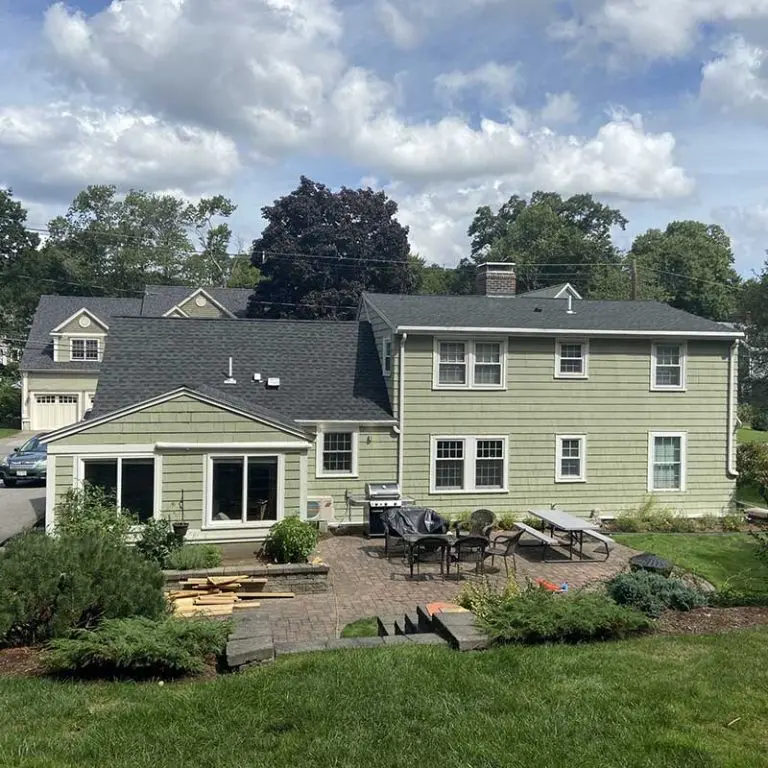
James Hardie is the market leader in fiber cement siding, a material that blends cement, sand, and cellulose fibers to create a board that is both strong and lightweight. Unlike traditional vinyl or wood cladding, HardiePlank and HardiePanel systems are engineered to resist:
- Rot, insect damage, and warping
- UV degradation – the surface is pigmented throughout, so color fading is minimal
- Fire – the product meets ASTM E84 Class A fire rating, a crucial factor for safety‑conscious homeowners
According to a 2025 report by the National Association of Home Builders (NAHB), homes featuring fiber‑cement siding have a 12 % higher resale value compared with those using standard vinyl siding. The same study notes a 30‑year lifespan for James Hardie products, outlasting many competing claddings.
Table of Contents
- What Sets James Hardie Siding Apart?
- Key Benefits for Professionals and DIY Enthusiasts
- 1. Energy‑Efficient Home Envelope
- 2. Low‑Maintenance Appeal
- 3. Design Versatility
- Cost Considerations in 2026
- Installation Overview – What Contractors Need to Know
- Step 1: Prep the Substrate
- Step 2: Flashing and Drainage
- Step 3: Fastening the Boards
- Step 4: Finishing Touches
- Common Mistakes and How to Avoid Them
- Real‑World Case Study: A Midwest Home Retrofit
- Frequently Asked Questions
- Is James Hardie siding really fire‑resistant?
- Can I install James Hardie siding over existing wood clapboard?
- How long does the installation process take?
- What warranty does James Hardie offer?
- Is the siding environmentally friendly?
- Choosing the Right James Hardie Product for Your Project
- Comparing James Hardie to Other Siding Options
- Future Outlook: Innovations in Fiber‑Cement Technology
- Conclusion: Is James Hardie Siding Worth the Investment?
Key Benefits for Professionals and DIY Enthusiasts

1. Energy‑Efficient Home Envelope
Hardie siding’s dense composition adds a modest amount of thermal mass, which helps regulate indoor temperature. The U.S. Department of Energy cites that homes with fiber cement can see a 5‑7 % reduction in heating and cooling costs, especially when paired with proper insulation and air sealing.
2. Low‑Maintenance Appeal
Unlike wood, which requires annual staining or painting, James Hardie’s color‑through technology means a single paint job can last up to 15 years. The company’s 2026 “WeatherGuard” warranty covers fading, chalking, and blistering, giving homeowners confidence that the exterior will stay pristine with minimal upkeep.
3. Design Versatility
From classic vertical lap to contemporary shiplap, the product line includes HardiePlank, HardiePanel, and HardieShingle. Each profile can be painted any RAL or Pantone color, allowing architects to match any design language without compromising performance.
Cost Considerations in 2026
While the upfront material cost of James Hardie siding is higher than vinyl—averaging $8‑$12 per square foot installed versus $4‑$7 for vinyl—long‑term savings become evident when factoring in durability, lower maintenance, and higher resale value. A 2026 analysis from Remodeling Magazine shows that the total cost of ownership over 30 years for Hardie siding is roughly 18 % lower than that of high‑end vinyl, once labor, repainting, and repair costs are accounted for.
Installation Overview – What Contractors Need to Know
Proper installation is essential to unlock the full performance potential of James Hardie siding. Below is a concise, step‑by‑step guide that aligns with the manufacturer’s 2026 installation handbook.
Step 1: Prep the Substrate
- Ensure the sheathing is flat, clean, and free of moisture. A minimum of a 1/8‑inch gap must be left between the sheathing and the siding to allow for expansion.
- Install a weather‑resistive barrier (WRB) such as Tyvek, overlapping seams by at least 6 inches, and tape them securely.
Step 2: Flashing and Drainage
Proper flashing around windows, doors, and rooflines is critical. Use Hardie‑approved metal flashing, and integrate a drip edge to direct water away from the wall assembly. For a related topic, see our article on Why Exterior Doors Matter More Than You Think, which discusses the importance of tight integration between siding and doors.
Step 3: Fastening the Boards
- Use corrosion‑resistant, hot‑dipped galvanized nails or screws spaced no more than 16 inches apart on each board.
- Maintain a 1/8‑inch gap at the top edge of each board to accommodate expansion.
- Stagger vertical joints at least 12 inches to improve structural stability and aesthetic uniformity.
Step 4: Finishing Touches
After installing the siding, apply a high‑quality, exterior‑grade acrylic paint. James Hardie recommends a minimum of two coats for optimal protection. The paint should be compatible with the product’s “ColorLock” technology to prevent premature chalking.
Common Mistakes and How to Avoid Them
Even seasoned contractors can stumble on a few pitfalls that reduce Hardie siding’s lifespan.
- Improper moisture control: Skipping the WRB or neglecting to seal penetrations invites water infiltration, leading to mold growth behind the cladding.
- Using the wrong fasteners: Stainless steel is overkill and costly; regular galvanized nails are sufficient when installed correctly.
- Neglecting expansion gaps: Hardie boards expand and contract with temperature changes. Omitting the 1/8‑inch gap can cause board buckling.
- Skipping a final paint coat: The protective paint layer is not just cosmetic—it guards against UV and moisture.
Real‑World Case Study: A Midwest Home Retrofit
In early 2026, a 2,300‑sq‑ft ranch in Ohio replaced its aging vinyl siding with James Hardie HardiePlank. The homeowner reported a 6 % reduction in annual heating bills after adding R‑19 insulation behind the new cladding. The project, overseen by a certified Hardie installer, cost $15,800 total. Five years later, the house’s exterior remains free of cracks, and the homeowner avoided two major repaint cycles, saving an estimated $3,200 in maintenance costs. This case aligns with findings from the 2025 “Fiber Cement Housing Study” by the Building Research Establishment (BRE), which concluded that retrofits with Hardie siding often achieve a payback period of 8‑10 years when energy savings are included.
Frequently Asked Questions
Is James Hardie siding really fire‑resistant?
Yes. The product meets ASTM E84 Class A fire rating, meaning it will not contribute to flame spread and is suitable for high‑fire‑risk zones.
Can I install James Hardie siding over existing wood clapboard?
It is possible, but the existing substrate must be sound, flat, and free of rot. Adding a WRB and proper flashing is essential to prevent moisture entrapment.
How long does the installation process take?
For a standard 2,500‑sq‑ft home, a crew of three experienced installers can complete the job in 7‑10 business days, including prep, flashing, and finishing.
What warranty does James Hardie offer?
In 2026, James Hardie provides a 30‑year non‑prorated warranty on the siding material and a 15‑year paint warranty for ColorLock® finishes, subject to proper installation.
Is the siding environmentally friendly?
Hardie’s fiber‑cement composition contains 45 % recycled material and is 100 % recyclable at the end of its life cycle, earning it a LEED credit for sustainable building materials.
Choosing the Right James Hardie Product for Your Project
James Hardie offers three primary product families:
- HardiePlank: Traditional vertical lap, ideal for classic American homes.
- HardiePanel: Flat panels that provide a sleek, modern look.
- HardieShingle: Simulates the texture of wood shingles for a rustic appearance.
When deciding, consider architectural style, local climate, and budget. For instance, coastal regions benefit from HardiePanel’s smooth surface, which sheds salt‑laden spray more effectively.
Comparing James Hardie to Other Siding Options
While vinyl siding remains the most affordable choice, it lacks the fire resistance and durability of fiber cement. Wood siding offers natural warmth but requires regular staining and is vulnerable to rot. Metal siding provides excellent durability but can dent and may be prone to thermal expansion issues. James Hardie strikes a balance, delivering the aesthetic flexibility of wood, the durability of metal, and the low maintenance of vinyl.
Future Outlook: Innovations in Fiber‑Cement Technology
The 2026 industry outlook from the International Federation of Building and Wood Products (IFBWP) predicts further integration of nano‑silica additives to improve impact resistance and reduce weight. James Hardie has already begun testing “Ultra‑Light Hardie” panels, which promise a 15 % reduction in material weight while maintaining structural integrity. Homeowners and builders should watch for these releases, as they could lower transportation costs and make handling on job sites easier.
Conclusion: Is James Hardie Siding Worth the Investment?
For professionals seeking a high‑performance, low‑maintenance exterior solution, James Hardie siding checks all the boxes. Its proven durability, fire resistance, and energy‑efficiency benefits translate into long‑term cost savings and a stronger resale proposition. When paired with proper installation—guided by the latest 2026 best practices—and an appropriate warranty, the product offers a compelling value proposition that outpaces many conventional alternatives.
Ready to explore options for your next project? Dive deeper into material comparisons with our Vinyl Siding 2026: Complete Guide to Installation, Costs, and Long‑Term Benefits article, or contact a certified James Hardie installer to get a customized quote.
