Homeowners and architects turn to sliding patio doors when they need a seamless connection between indoor living spaces and the outdoors, while still preserving security and energy performance. The modern sliding system combines expansive glass panels, low‑profile aluminum frames, and precision track mechanisms to maximize natural light and ventilation without sacrificing insulation. Understanding the latest material options, installation best practices, and maintenance tips can prevent costly mistakes and ensure the door remains a lasting focal point of your design. For a deeper look at how exterior openings influence overall building performance, see Why Exterior Doors Matter More Than You Think.
Why Sliding Patio Doors Remain a Top Choice in 2026
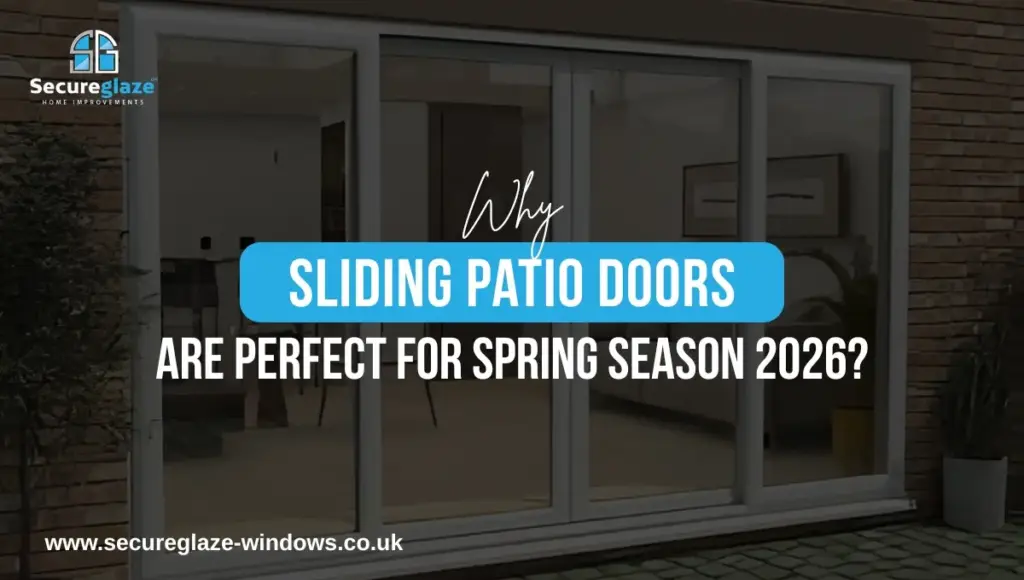
Three key factors drive the popularity of sliding patio doors today:
- Space efficiency: Unlike hinged doors, sliding units glide along a concealed track, freeing wall space for furniture or artwork.
- Unobstructed views: Large, low‑profile glass panels provide up to 80% more visible glazing compared to traditional doors.
- Energy stewardship: Advances in double‑glazed, low‑E glass and thermal‑break frames have reduced heat loss by up to 30% since 2023, according to the U.S. Department of Energy.
Choosing the Right Material for Frames and Glass
Material selection determines durability, aesthetic appeal, and long‑term operating costs. Below is a quick comparison of the most common options:
Table of Contents
- Why Sliding Patio Doors Remain a Top Choice in 2026
- Choosing the Right Material for Frames and Glass
- Installation Essentials: From Layout to Track Alignment
- Energy Efficiency & Insulation: Cutting Costs Year‑Round
- Maintenance Best Practices and Common Pitfalls
- Routine Maintenance
- Common Mistakes
- Real‑World Case Study: Modern Villa in Bali
- Frequently Asked Questions
- What is the typical lifespan of a sliding patio door?
- Can sliding patio doors be retrofitted with security locks?
- Are there sound‑proof options for urban apartments?
- Do sliding patio doors affect resale value?
- Is DIY installation advisable?
- Future Trends: Smart Integration and Sustainable Design
| Material | Pros | Cons |
|---|---|---|
| Aluminum (Thermal‑break) | Lightweight, strong, excellent for large spans; low maintenance. | Higher upfront cost; requires proper weather‑stripping to prevent condensation. |
| Vinyl | Cost‑effective, good insulation, resistant to corrosion. | Limited colour palette; can warp in extreme heat. |
| Fiberglass | Excellent thermal performance, mimics wood grain, high durability. | Premium price, limited supplier availability. |
When energy efficiency is a priority, pair a thermal‑break aluminum frame with double‑pane low‑E glass that meets the ENERGY STAR 2025 standards. This combination can achieve a U‑value as low as 0.26 BTU/(hr·ft²·°F), a 25% improvement over conventional units, per the National Fenestration Rating Council (NFRC) data.
Installation Essentials: From Layout to Track Alignment
Even the most sophisticated sliding patio doors will underperform if the installation is flawed. Follow these actionable steps to ensure a flawless fit:
- Accurate opening measurement: Measure width and height at three points (top, middle, bottom) and use the smallest measurement as the basis for ordering.
- Structural reinforcement: Verify that the header can bear the weight of the glass. Reinforcement with engineered lumber or steel is often required for openings wider than 10 ft, as recommended by the American Wood Council 2025 guidelines.
- Level track installation: The bottom track must be perfectly level; even a 1/8 in deviation can cause binding. Use a laser level and secure the track with stainless‑steel screws every 12 in.
- Weather‑stripping and drainage: Install high‑quality silicone weather‑stripping along the frame and provide a concealed drip edge to channel water away from the interior.
- Final alignment test: Slide the door multiple times to confirm smooth operation and check for any wobble in the rollers. Adjust the roller tension screws as needed.
Energy Efficiency & Insulation: Cutting Costs Year‑Round
In 2026, homeowners are increasingly scrutinizing the energy performance of sliding patio doors. A recent study by the Lawrence Berkeley National Laboratory (2025) shows that homes equipped with high‑performance sliding doors experienced an average annual heating and cooling cost reduction of $475 compared to those with older, single‑pane units.
Key strategies to boost efficiency include:
- Selecting glazing with a solar heat gain coefficient (SHGC) of 0.25 or lower for hot climates.
- Integrating insulated frames with a thermal break of at least 1.5 in.
- Adding external shading devices, such as retractable awnings, which can reduce solar gain by up to 40% during peak summer months (Energy.gov, 2025).
Maintenance Best Practices and Common Pitfalls
Proper upkeep extends the lifespan of sliding patio doors and preserves their aesthetic appeal. Below are routine actions and mistakes to avoid:
Routine Maintenance
- Clean the tracks: Remove debris with a soft brush and a mild detergent. Avoid abrasive tools that can damage the aluminium rail.
- Lubricate rollers: Apply a silicone‑based lubricant every six months to maintain smooth gliding.
- Inspect seals: Replace weather‑stripping annually in coastal areas where salt air accelerates wear.
Common Mistakes
- Using harsh chemicals on the glass, which can etch low‑E coatings.
- Over‑tightening the track screws, leading to frame distortion.
- Neglecting the drainage system, resulting in water infiltration and mould growth.
Real‑World Case Study: Modern Villa in Bali
A luxury villa on Bali’s coastal ridge installed 12‑ft wide sliding patio doors in 2025, opting for thermally‑broken aluminium frames with triple‑pane glass. The project consulted the Vinyl Siding 2026: Complete Guide to Installation, Costs, and Long‑Term Benefits for complementary exterior finishes. Post‑occupancy monitoring by the Indonesian Institute of Building Science recorded a 22% reduction in cooling loads, confirming that high‑performance sliding doors can deliver measurable energy savings even in tropical climates.
Frequently Asked Questions
What is the typical lifespan of a sliding patio door?
When installed correctly and maintained regularly, modern sliding doors can last 25–30 years. Frame corrosion is the most common failure point; choosing anodized aluminium mitigates this risk.
Can sliding patio doors be retrofitted with security locks?
Yes. Multi‑point locking systems, often integrated into the frame, meet UL 1172 standards for residential security. For high‑risk areas, consider adding a concealed bolt lock in addition to the primary mechanism.
Are there sound‑proof options for urban apartments?
Acoustic laminated glass with a mass‑loaded vinyl interlayer can reduce noise transmission by up to 45 dB. Pair this with airtight seals to achieve performance comparable to dedicated sound‑proof windows.
Do sliding patio doors affect resale value?
According to the National Association of Realtors 2025 Home Value Index, homes with premium sliding doors saw an average price premium of 4.5% over comparable properties without them.
Is DIY installation advisable?
While minor repairs are DIY‑friendly, full installation requires structural assessment, precise leveling, and compliance with local building codes. Engaging a certified installer reduces the risk of warranty voidance and ensures code compliance.
Future Trends: Smart Integration and Sustainable Design
Looking ahead, sliding patio doors are becoming smarter. In 2026, manufacturers introduced built‑in sensors that communicate with home automation hubs, automatically adjusting blinds based on solar intensity. Additionally, recycled aluminium and bio‑based polymer frames are gaining market share as the industry aligns with the 2030 net‑zero building objectives set by the International Energy Agency.
Whether you are renovating a historic bungalow or designing a contemporary loft, understanding the nuances of sliding patio doors—from material science to installation precision—empowers you to make choices that enhance comfort, curb energy bills, and elevate property value.
For more insight on exterior envelope performance, explore our comprehensive guide on James Hardie Siding 2026: Complete Guide to Durability, Cost, and Installation for Professionals, which details how siding choices interact with door systems to create a cohesive façade.
Additionally, the Hardie Board Siding: The Ultimate Guide to Durability, Costs & Installation in 2026 provides valuable context on matching siding finishes with sliding door hardware for a unified exterior aesthetic.
For technical specifications on low‑E coatings, see the U.S. Department of Energy’s low‑E glazing overview.
Learn more about sliding door mechanics on Wikipedia.
