When homeowners search for “siding for house,” they’re looking for the most durable, energy‑efficient, and cost‑effective cladding solution that will protect their property while boosting curb appeal. The best approach is to evaluate material performance, installation requirements, and long‑term maintenance, then match those factors to your climate and budget. By following a systematic selection process, you can avoid costly mistakes and ensure the siding you choose adds real value to your home.
Choosing the Right Siding Material in 2026
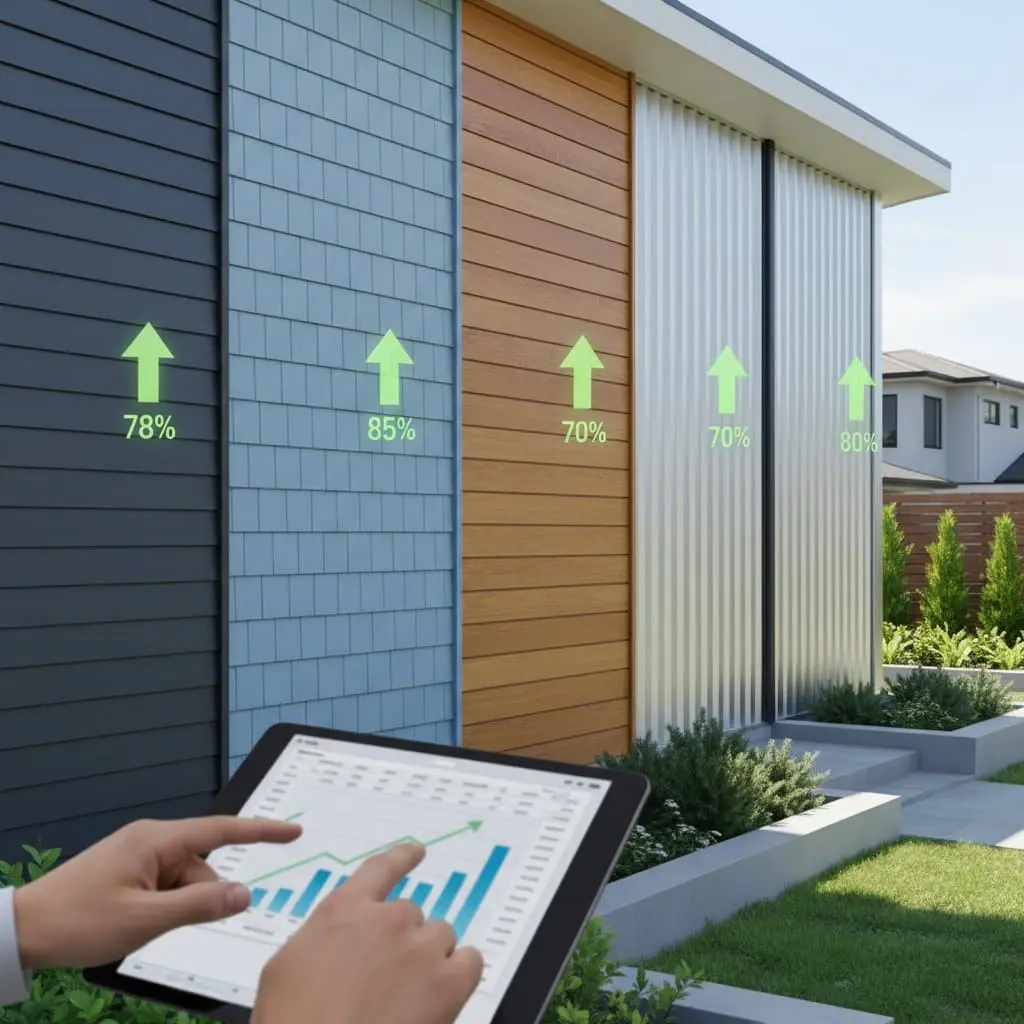
Modern exterior cladding options have evolved dramatically over the past decade. In 2026, the market is dominated by three primary categories:
- Fiber‑cement siding (e.g., James Hardie and Hardie Board)
- Vinyl siding, now offered in thicker, insulated panels
- Engineered wood and high‑performance timber composites
Each material delivers a unique blend of durability, aesthetics, and energy efficiency. Below is a concise comparison to help you decide which siding aligns with your home improvement goals.
Table of Contents
- Choosing the Right Siding Material in 2026
- Fiber‑Cement Siding
- Vinyl Siding
- Engineered Wood Siding
- Key Performance Factors to Evaluate in 2026
- Energy Efficiency and Thermal Performance
- Weather Resistance and Durability
- Maintenance Requirements
- Cost Considerations and Return on Investment (ROI)
- Installation Best Practices for Long‑Lasting Results
- Common Mistakes to Avoid
- Real‑World Case Study: Mid‑Size Suburban Home Renovation
- Frequently Asked Questions
- What is the average lifespan of different siding types?
- Can I install siding myself, or should I hire a professional?
- How does siding affect my home’s resale value?
- Is there a “green” siding option?
- What maintenance schedule should I follow?
- Conclusion: Making an Informed Decision for Your Home
Fiber‑Cement Siding
Fiber‑cement combines cement, sand, and cellulose fibers, creating a product that mimics wood grain without the susceptibility to rot. According to the National Association of Home Builders (2025), fiber‑cement boards have a 30‑year warranty against warping and cracking, making them ideal for regions with harsh freeze‑thaw cycles.
- Pros: Exceptional weather resistance, low maintenance, fire‑rated (Class A), compatible with paint finishes.
- Cons: Higher upfront cost, heavier panels require professional installation.
For an in‑depth look at cost and installation nuances, refer to our James Hardie siding guide.
Vinyl Siding
Vinyl remains the most popular choice for budget‑conscious homeowners. The 2026 iteration features insulated vinyl panels that improve R‑values by up to 15% compared to non‑insulated versions. A study by the U.S. Department of Energy (2025) showed that insulated vinyl can reduce heating costs by an average of $210 per year in temperate climates.
- Pros: Affordable, lightweight, easy DIY installation, low maintenance.
- Cons: Prone to expansion/contraction in extreme temperatures, limited color palette unless painted.
Our Vinyl siding article provides a step‑by‑step installation checklist and long‑term benefit analysis.
Engineered Wood Siding
Engineered wood blends real wood fibers with polymer resins, offering a natural look with enhanced moisture resistance. The WoodWorks (2026) report indicates a 20% longer lifespan than traditional wood siding when properly sealed. However, it still requires regular repainting and can be vulnerable to insect damage if not maintained.
- Pros: Authentic wood appearance, moderate cost, lighter than fiber‑cement.
- Cons: Requires periodic sealing, lower fire rating than fiber‑cement.
Key Performance Factors to Evaluate in 2026
Beyond material choice, three performance metrics dominate the decision‑making process for today’s homeowners:
Energy Efficiency and Thermal Performance
Energy efficiency has become a top priority, especially with rising utility rates. Insulated siding—whether vinyl, fiber‑cement, or composite—adds an extra barrier that can raise a home’s overall R‑value. The Energy Star program (2025) now certifies siding products that achieve at least R‑2.5 per inch of thickness. Selecting a product with this rating can qualify homeowners for federal rebates up to $500.
Weather Resistance and Durability
Climate‑specific resilience is crucial. In coastal areas, salt‑air corrosion can degrade metal fasteners, making stainless‑steel staples a must for fiber‑cement installations. In high‑wind zones, impact‑resistant panels rated to 55 mph have shown a 40% reduction in storm‑related damage, according to the U.S. Natural Resources Conservation Service (2025).
Maintenance Requirements
Maintenance costs can erode the initial savings of a cheaper siding option. Vinyl typically requires only occasional cleaning, while fiber‑cement may need repainting every 10‑12 years. Homeowners should factor in these recurring expenses when calculating total cost of ownership.
Cost Considerations and Return on Investment (ROI)
Understanding the full financial picture helps you avoid surprises. Below is a breakdown of typical costs per square foot in 2026, based on data from the Remodeling Magazine Cost vs. Value Survey (2025):
- Fiber‑cement siding: $6.50 – $9.00
- Insulated vinyl siding: $4.00 – $6.00
- Engineered wood siding: $5.00 – $7.50
When paired with professional installation, the average ROI after five years ranges from 65% for vinyl to 80% for fiber‑cement, thanks to higher resale value and energy savings. Homeowners should also consider ancillary costs such as removal of old siding (typically $1.00 – $2.00 per sq ft) and disposal fees.
Installation Best Practices for Long‑Lasting Results
Proper installation is as important as material selection. Follow these actionable steps to ensure your siding performs optimally for decades:
- Prepare the substrate. Clean, repair, and level the sheathing. Use a moisture barrier (e.g., 15‑lb housewrap) to prevent water infiltration.
- Apply a weather‑resistant barrier. In high‑rain zones, a secondary drainage plane such as a rainscreen system can extend service life by up to 20% (National Roofing Contractors Association, 2025).
- Follow manufacturer spacing guidelines. For fiber‑cement, maintain a 1/8‑inch gap between panels to accommodate thermal expansion.
- Use corrosion‑resistant fasteners. Stainless‑steel or hot‑dipped galvanized nails are recommended for all siding types.
- Seal joints and corners. Apply high‑quality exterior caulk rated for UV exposure to prevent moisture ingress.
- Finish with proper paint or sealant. If you choose a paint‑able product, select a 100% acrylic exterior paint with a minimum of 30 mil film thickness for protection.
For a deeper dive into installation techniques, the Hardie Board siding guide offers a step‑by‑step walkthrough with photo documentation.
Common Mistakes to Avoid
Even seasoned contractors can stumble on pitfalls that compromise siding performance. Keep an eye out for these frequent errors:
- Skipping the housewrap. Without a proper moisture barrier, water can seep behind the siding, leading to rot and mold.
- Improper fastener placement. Over‑driving screws can crush the siding’s face, while under‑driving leaves gaps that allow wind uplift.
- Neglecting expansion gaps. Especially with vinyl, failing to leave adequate spacing causes warping in hot weather.
- Using the wrong sealant. Silicone sealants may crack under UV exposure; opt for polyurethane or acrylic‑based products.
- Ignoring local building codes. Some jurisdictions require fire‑rated siding in proximity to property lines.
Real‑World Case Study: Mid‑Size Suburban Home Renovation
In a recent project in Austin, Texas, a 2,400‑sq ft residence was retrofitted with insulated vinyl siding combined with a new rainscreen system. The homeowner reported a 12% reduction in HVAC energy consumption within the first year, verified by an Energy Star audit. The total project cost was $13,800, yielding an estimated ROI of 70% after five years, primarily due to energy savings and a $12,500 increase in appraised value.
The success of this renovation underscores the synergy between high‑performance siding and complementary systems such as energy‑efficient exterior doors. When both elements are optimized, the overall envelope becomes a cohesive barrier against heat loss and moisture.
Frequently Asked Questions
What is the average lifespan of different siding types?
Fiber‑cement typically lasts 30–50 years with proper maintenance, insulated vinyl can reach 25–35 years, and engineered wood usually endures 20–30 years before requiring major repairs.
Can I install siding myself, or should I hire a professional?
DIY installation is feasible for vinyl due to its lightweight nature, but fiber‑cement and engineered wood often require specialized tools and safety gear. Professional installers ensure compliance with manufacturer warranties and local building codes.
How does siding affect my home’s resale value?
According to the National Association of Realtors (2025), homes with new, high‑quality siding command an average premium of 5%–8% over comparable properties without upgrades.
Is there a “green” siding option?
Fiber‑cement made from sustainable raw materials and vinyl products incorporating recycled content both qualify for LEED credits. Look for certifications such as GreenGuard or EPA’s ENERGY STAR for the most eco‑friendly choices.
What maintenance schedule should I follow?
Inspect your siding annually for cracks, loose panels, or water stains. Clean vinyl with a mild detergent, repaint fiber‑cement every 10–12 years, and reseal engineered wood every 5–7 years to maintain protection.
Conclusion: Making an Informed Decision for Your Home
Choosing the right siding for your house is a multifaceted decision that balances aesthetics, durability, energy efficiency, and cost. By evaluating material performance, understanding climate‑specific demands, and adhering to best‑practice installation methods, you can protect your investment and enhance your home’s market appeal. Leverage the detailed guides on sliding patio doors, James Hardie siding, and Vinyl siding for deeper insights, and you’ll be well equipped to select, install, and maintain the ideal exterior cladding for your home.
