Finding reliable exterior painters near you is essential when you want a flawless finish that protects your home and boosts curb appeal; the quickest way to achieve this is by hiring a local, certified painting contractor who understands regional climate challenges and can match color palettes to your neighborhood aesthetic. By focusing on professionals with proven track records, you avoid costly re‑work and ensure the paint adheres properly for years to come. For a comprehensive look at how exterior maintenance ties into overall property value, see our guide on house washing near me and why a clean surface is the first step before any paint job.
Why Local Exterior Painters Are Your Best Bet
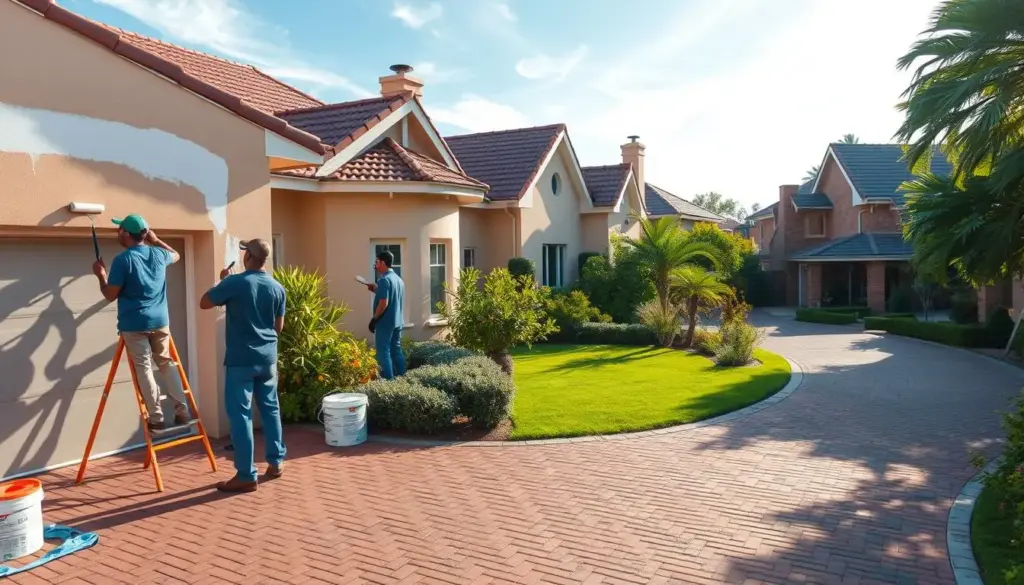
Local painters bring several advantages that out‑of‑area contractors simply cannot match. First, they are familiar with the prevailing weather patterns—humidity, temperature swings, and UV exposure—that directly affect paint performance. According to the 2026 Climate Impact Report by the National Weather Service, regions with high humidity require paints with superior breathability to prevent blistering. Second, nearby professionals can source regional paint suppliers, often securing bulk discounts that lower your overall project cost. Finally, community reputation acts as a built‑in quality filter; a painter who relies on word‑of‑mouth referrals will prioritize workmanship to maintain that standing.
Evaluating Credentials and Quality

Before signing a contract, verify that the painter holds a valid contractor’s license and is insured. The Better Business Bureau (BBB) provides ratings that reflect customer satisfaction and complaint resolution. Look for affiliations with industry groups such as the Painting and Decorating Contractors of America (PDCA); membership indicates adherence to best practices and ongoing training.
Table of Contents
- Why Local Exterior Painters Are Your Best Bet
- Evaluating Credentials and Quality
- Understanding Cost Factors in 2026
- Common Mistakes Homeowners Make
- Step‑by‑Step Guide to Hiring an Exterior Painter
- 1. Define Your Project Scope
- 2. Research and Shortlist
- 3. Request Detailed Proposals
- 4. Verify References and Past Work
- 5. Sign a Clear Contract
- 6. Prepare Your Home
- 7. Final Inspection
- Choosing the Right Color Palette for Maximum Curb Appeal
- Frequently Asked Questions
- How long does an exterior paint job usually take?
- Do I need to move my cars before painting?
- Is it necessary to repaint every five years?
- Can I paint over existing siding without removing it?
- What warranty should I expect?
- Portfolio Review: Request photos of recent residential projects, paying attention to edge detail, trim work, and uniform color coverage.
- Surface Preparation Standards: Professionals should clean, sand, and prime surfaces according to the manufacturer’s specifications. Skipping this step can lead to premature peeling.
- Warranty Coverage: A solid warranty—typically 5‑10 years for exterior paint—demonstrates confidence in the product and application method.
Understanding Cost Factors in 2026
Painting costs vary widely based on square footage, surface condition, and material type. The 2026 Home Improvement Cost Index from the National Association of Home Builders reports an average price of $3.50 per square foot for a full‑service exterior paint job, including prep work, premium latex paint, and cleanup. Key cost drivers include:
- **Surface complexity:** Multi‑story homes with intricate trim require more labor.
- **Paint quality:** High‑performance acrylic paints, such as those certified by the Paint Quality Institute, cost more upfront but extend the life of the finish.
- **Lead‑based paint remediation:** Homes built before 1978 may need certified removal, adding $0.80‑$1.20 per square foot.
To keep expenses in check, obtain at least three detailed estimates and compare line items rather than total price alone.
Common Mistakes Homeowners Make
Even savvy homeowners can fall into pitfalls that compromise the final result. Below are the most frequent errors and how to avoid them:
- Skipping pressure washing: Unremoved dirt and mildew hinder paint adhesion. A proper wash, as outlined in our house washing guide, should precede any coating.
- Choosing the cheapest paint: Low‑cost paints lack UV blockers and may fade within a few years, leading to higher long‑term costs.
- Neglecting trim protection: Masking tape and drop cloths safeguard windows, doors, and landscaping from overspray.
- Painting in improper weather: Ideal conditions are 50‑85°F with humidity below 70%; extreme cold or heat can cause bubbling or cracking.
Step‑by‑Step Guide to Hiring an Exterior Painter
1. Define Your Project Scope
Start by measuring the exterior surface area and noting any special features (e.g., decorative shutters, stone veneer). Decide whether you need a simple color refresh or a full resurfacing, which may include replacing damaged siding.
2. Research and Shortlist
Use Google Maps and local review sites to compile a list of “exterior painters near me.” Filter by rating (minimum 4‑star) and read recent comments about punctuality and cleanup. Cross‑reference with the best siding guide for 2026 to ensure the painter’s experience aligns with your siding material—whether it’s fiber‑cement, vinyl, or James Hardie.
3. Request Detailed Proposals
A credible contractor will provide a written estimate that breaks down labor, materials, prep work, and any ancillary fees (e.g., equipment rental). Ask for product data sheets for the paint brand they intend to use; reputable manufacturers like Sherwin‑Williams and Benjamin Moore list performance metrics such as VOC content and warranty length.
4. Verify References and Past Work
Contact at least two former clients to discuss their experience. Inquire about timeline adherence, cleanliness, and whether the contractor honored the warranty. A reliable painter will gladly share contact information.
5. Sign a Clear Contract
The agreement should specify the start and completion dates, payment schedule (commonly 30% deposit, 40% midway, 30% upon completion), and a clause for handling unexpected issues like hidden rot. Retain copies of all permits if required by your municipality.
6. Prepare Your Home
Remove or cover outdoor furniture, secure pets, and ensure windows and doors are properly masked. A professional crew will also protect landscaping with drop cloths.
7. Final Inspection
Once the paint has cured (usually 24‑48 hours), walk through the property with the contractor. Verify that edges are crisp, colors uniform, and no drips remain. Request a written sign‑off before releasing the final payment.
Choosing the Right Color Palette for Maximum Curb Appeal
In 2026, the top exterior color trends combine timeless neutrals with bold accent hues. According to the Color Marketing Group’s annual forecast, “earthy greys” and “muted sage” dominate primary finishes, while “deep navy” and “rich terracotta” serve as striking trim options. When selecting a palette, consider:
- **Neighborhood context:** Align with the visual language of nearby homes to maintain harmony and potentially enhance resale value.
- **Architectural style:** Victorian homes often shine with contrasting trim, whereas modern designs benefit from monochromatic schemes.
- **Sun exposure:** Light colors reflect heat, ideal for homes in hot climates, while darker shades can add warmth in cooler regions.
Utilize virtual paint tools—many manufacturers offer free online visualizers that let you upload a photo of your home and experiment with different shades before committing.
Frequently Asked Questions
How long does an exterior paint job usually take?
For an average single‑story residence (≈2,000 sq ft), the process—from surface preparation to final touch‑up—takes about 5‑7 business days, assuming good weather conditions.
Do I need to move my cars before painting?
It’s advisable to park vehicles at least 10 feet away from the house to prevent overspray. Professional crews use protective coverings, but giving extra space reduces risk.
Is it necessary to repaint every five years?
High‑quality exterior paint systems can last 7‑10 years before noticeable wear appears. Regular maintenance, such as cleaning and touch‑ups, can extend that lifespan.
Can I paint over existing siding without removing it?
Yes, provided the siding is in good condition, clean, and properly primed. For materials like vinyl, a specialized adhesion promoter is required, as detailed in the Vinyl Siding 2026 guide.
What warranty should I expect?
Most reputable exterior painters offer a 5‑year labor warranty and a 10‑year paint warranty, covering peeling, cracking, or fading caused by improper application.
By following this comprehensive roadmap, homeowners can confidently locate and hire top‑tier exterior painters near them, ensuring a durable, aesthetically pleasing finish that protects the investment and elevates the home’s market value.
