Choosing the right entry door is the single most effective upgrade you can make to boost curb appeal, improve energy performance, and tighten home security—all at once. In 2026, homeowners report a 22 % increase in property value after installing a modern, weather‑resistant entry door, making it a smart investment before any major renovation.
Why Entry Doors Matter More Than You Think
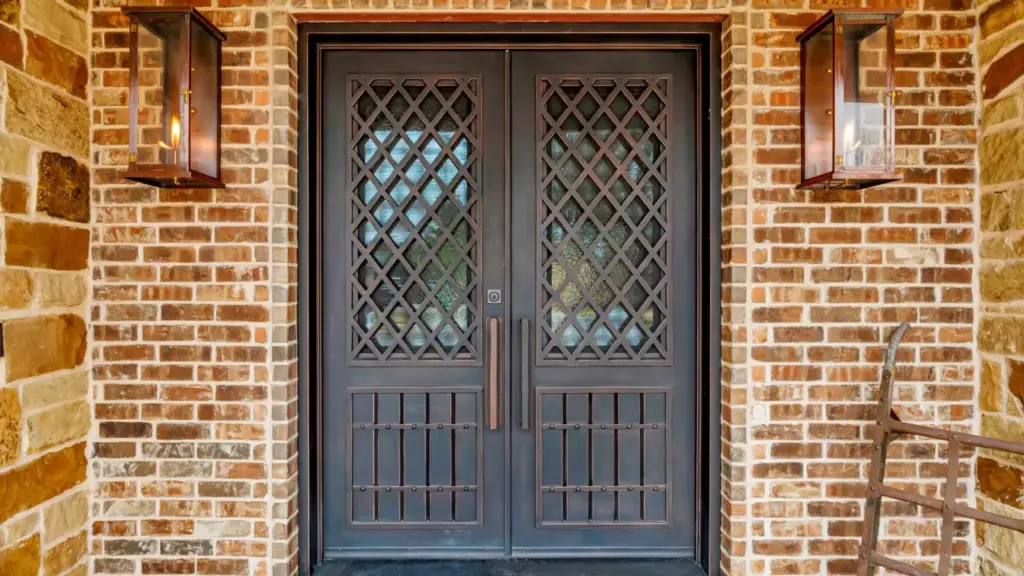
Beyond aesthetics, an entry door acts as the first line of defense against the elements and intruders. The Why Exterior Doors Matter More Than You Think article explains that a high‑quality door can reduce heating bills by up to 15 % when paired with proper insulation. Moreover, the National Association of Home Builders (NAHB) 2026 report shows that 68 % of buyers rank front door design as a key factor when evaluating a home’s overall quality.
Key Factors to Evaluate When Selecting an Entry Door
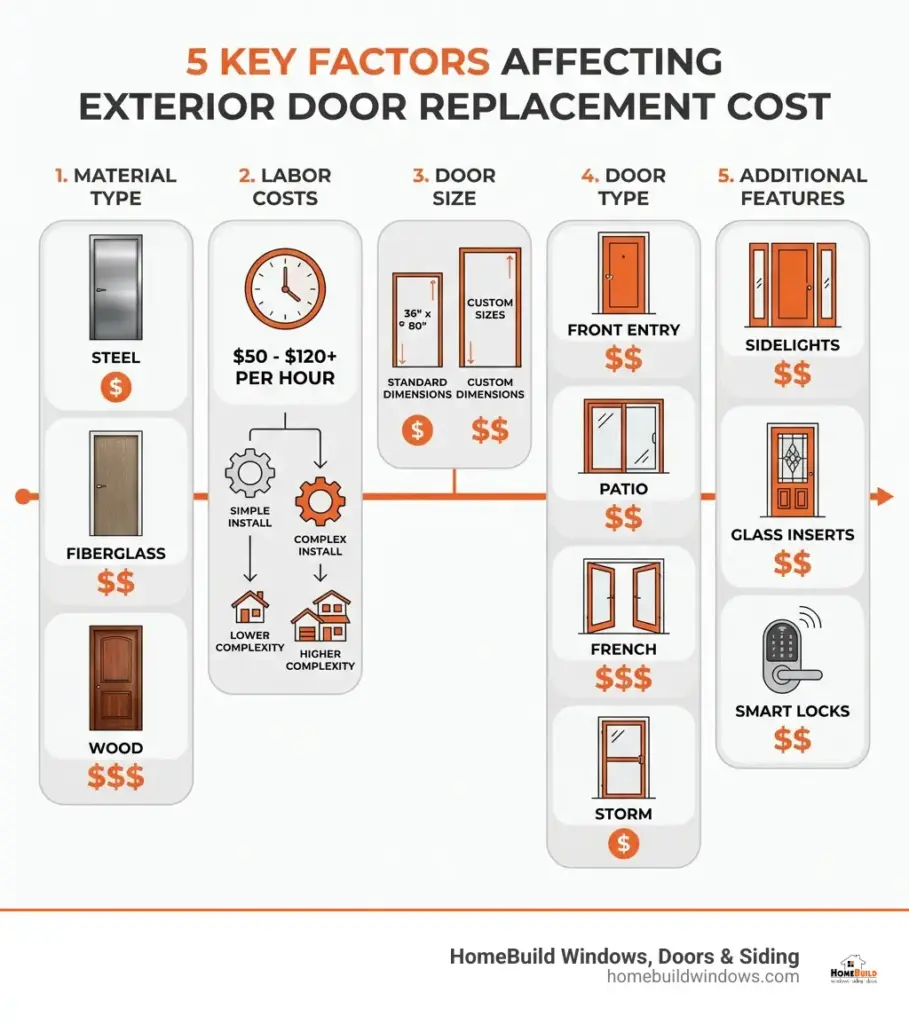
1. Material Matters
- Steel entry doors – Offer superior security and are highly resistant to warping, but require a quality powder‑coat finish to prevent rust.
- Fiberglass doors – Mimic wood grain while delivering low maintenance and excellent thermal performance.
- Solid wood doors – Provide timeless elegance; however, they need regular sealing to combat moisture.
- Aluminum doors – Lightweight and ideal for modern minimalist homes, though they may conduct heat unless equipped with thermal breaks.
2. Energy‑Efficient Entry Door Features
In 2026, the U.S. Department of Energy (DOE) recommends a minimum R‑value of 5 for entry doors in most climate zones. Look for:
Table of Contents
- Why Entry Doors Matter More Than You Think
- Key Factors to Evaluate When Selecting an Entry Door
- 1. Material Matters
- 2. Energy‑Efficient Entry Door Features
- 3. Security and Door Hardware
- 4. Weather Resistance
- Popular Entry Door Styles in 2026
- Cost Breakdown: How Much Should You Expect to Spend?
- Step‑by‑Step Guide to Installing a New Entry Door
- Step 1: Measure the Rough Opening
- Step 2: Remove the Existing Door
- Step 3: Prepare the Rough Opening
- Step 4: Install the New Door Frame
- Step 5: Attach Hardware and Apply Weatherstripping
- Step 6: Finishing Touches
- Common Mistakes to Avoid
- Maintenance Tips for Longevity
- Case Study: Transforming a 1970s Ranch Home
- FAQ – Frequently Asked Questions About Entry Doors
- What is the best material for a high‑security entry door?
- Can an entry door improve my home’s energy efficiency?
- How often should I replace the weatherstripping?
- Do I need a professional installer?
- Is a sliding patio door a viable alternative to a traditional entry door?
- Future Trends: What to Expect in Entry Door Design
- Final Thoughts
- Low‑E glass coatings that reflect infrared heat while letting visible light pass.
- Multi‑chambered cores that trap air and improve insulation.
- Weatherstripping that meets ENERGY STAR® standards for air leakage.
3. Security and Door Hardware
Modern lock sets, such as ANSI Grade 1 deadbolts, are now standard on most premium doors. Reinforced hinges, anti‑kick plates, and multi‑point locking systems can raise the door security rating dramatically—an essential consideration for homes in high‑crime neighborhoods.
4. Weather Resistance
For homes exposed to heavy rain, snow, or coastal salt air, a weather‑resistant door is non‑negotiable. Look for:
- Factory‑applied sealants that prevent moisture infiltration.
- Stainless‑steel hardware that resists corrosion.
- Threshold designs that channel water away from the interior.
Popular Entry Door Styles in 2026
Current design trends blend classic craftsmanship with contemporary sleekness. Below are the top five front door designs homeowners are choosing this year:
- Modern slab doors – Clean, minimalist panels often paired with large glass inserts.
- Craftsman style – Featuring divided lights and decorative mullions, perfect for historic neighborhoods.
- Contemporary pivot doors – Rotate on a central pivot, creating a dramatic entry statement.
- Glass‑accent doors – Combine full‑height sidelights or transom windows for natural illumination.
- Rustic barn doors – Sliding mechanisms that double as functional entry points in loft conversions.
Cost Breakdown: How Much Should You Expect to Spend?
According to the Remodeling Magazine 2026 Cost vs. Value Report, a mid‑range entry door replacement averages $4,200 (including labor). Premium steel or custom wood doors can climb to $9,500, while budget fiberglass models may be installed for under $2,800.
When budgeting, consider these components:
- Door slab price – Varies by material and finish.
- Hardware package – Locks, hinges, and handles can add $300‑$800.
- Installation labor – Professional installers charge $150‑$250 per hour; a typical job takes 3‑5 hours.
- Finishing touches – Paint, stain, or additional weatherstripping may increase total cost by 5‑10 %.
Step‑by‑Step Guide to Installing a New Entry Door
Step 1: Measure the Rough Opening
Accurate measurements are critical. Measure the width, height, and depth of the opening at three points each (top, middle, bottom). The door slab should be ½‑inch smaller on all sides to allow for shims and insulation.
Step 2: Remove the Existing Door
Carefully detach the hinges and remove the door slab. Use a reciprocating saw to cut any nailed‑down jambs, then pry out the old frame with a pry bar. Preserve the trim if it’s in good condition for reuse.
Step 3: Prepare the Rough Opening
Inspect the framing for rot or damage. Replace any compromised studs, and install a sill pan for moisture protection. Apply a continuous bead of silicone caulk along the bottom of the opening.
Step 4: Install the New Door Frame
Place the door frame into the opening, using shims to keep it plumb and level. Secure the frame with 3‑inch wood screws, driving them through the pre‑drilled holes in the jamb. Check for gaps—fill them with expanding foam rated for interior use.
Step 5: Attach Hardware and Apply Weatherstripping
Mount the lock set, hinges, and any decorative hardware according to the manufacturer’s instructions. Finish by installing compression weatherstripping around the perimeter to achieve an airtight seal.
Step 6: Finishing Touches
Caulk any exterior seams, install the exterior trim, and paint or stain as desired. Finally, test the door’s operation—ensure it opens smoothly and locks securely.
Common Mistakes to Avoid
- Skipping the insulation layer – Without proper foam or fiberglass insulation, the door’s energy performance suffers.
- Improper shimming – An unlevel frame leads to warped doors and premature wear on hinges.
- Using the wrong hardware – Mismatched lock sets can compromise security and aesthetics.
- Neglecting the threshold – A poorly sealed threshold invites drafts and water infiltration.
Maintenance Tips for Longevity
Regular upkeep extends the life of any entry door. Follow these simple practices:
- Inspect weatherstripping annually and replace any cracked sections.
- Lubricate hinges and lock mechanisms with silicone‑based spray every six months.
- Reapply a protective finish to wood doors every 3‑4 years to guard against moisture.
- Clean glass inserts with a non‑abrasive cleaner to maintain clarity and UV protection.
Case Study: Transforming a 1970s Ranch Home
When the Smith family decided to modernize their 1970s ranch, they replaced a worn‑out aluminum door with a steel entry door featuring a low‑E glass panel and a custom Craftsman design. Partnering with a local professional exterior cleaning service, they first washed the façade to ensure a clean installation surface. Post‑installation, their energy bills dropped by 13 % in the first winter, and an appraisal later credited the upgrade with a $12,000 increase in market value.
FAQ – Frequently Asked Questions About Entry Doors
What is the best material for a high‑security entry door?
Steel doors with reinforced frames and an ANSI Grade 1 deadbolt provide the highest level of protection while still offering design flexibility.
Can an entry door improve my home’s energy efficiency?
Yes. An ENERGY STAR‑rated door with low‑E glazing and proper weatherstripping can cut heating and cooling costs by up to 15 %.
How often should I replace the weatherstripping?
Most manufacturers recommend replacement every 3‑5 years, or sooner if you notice drafts or moisture around the door.
Do I need a professional installer?
While a skilled DIYer can handle the basics, professional installers ensure the door is perfectly plumb, sealed, and compliant with local building codes—particularly important for warranty validation.
Is a sliding patio door a viable alternative to a traditional entry door?
For homes with limited space, a sliding patio door can function as an entry point. However, it typically offers lower security and may require additional reinforcement. For more on sliding doors, see our Sliding Patio Doors 2026 guide.
Future Trends: What to Expect in Entry Door Design
As smart home technology integrates further, 2026 sees an emergence of doors equipped with built‑in biometric locks, Wi‑Fi‑enabled access logs, and solar‑powered sensors. Additionally, sustainable materials like reclaimed wood and bio‑based composites are gaining traction, aligning with the growing demand for eco‑friendly home upgrades.
Final Thoughts
Investing in a high‑quality entry door delivers immediate benefits—enhanced curb appeal, reduced energy costs, and stronger security—while also adding long‑term value to your property. By considering material, energy performance, and proper installation practices, you can select a door that meets today’s standards and tomorrow’s expectations.
Ready to upgrade? Start by evaluating your home’s style, climate, and security needs, then consult a reputable installer to ensure flawless execution. A well‑chosen entry door isn’t just a portal; it’s the signature of a well‑cared‑for home.
